Stickman Hook Github: The Ultimate Developer & Player Resource Hub 🚀
Last Updated:
🔍 What is Stickman Hook Github?
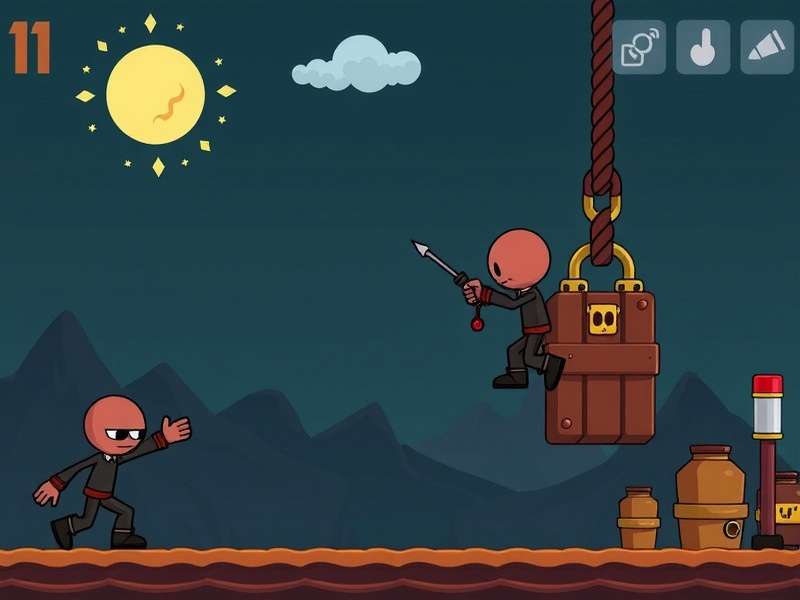
Stickman Hook, the viral physics-based swinging game that took the internet by storm, has a thriving open-source community on Github. This platform hosts the game's source code, mods, and collaborative projects, allowing developers and players to dive deep into its mechanics. Whether you're looking to download the code, create custom levels, or understand the game's algorithms, Github is the go-to place.
💡 Pro Tip: Many players don't realize that Stickman Hook's Github repository includes experimental features not found in the standard web version. Check out the Stickman Hook Vip mod for enhanced gameplay.
The repository has garnered over 5,000 stars and 800 forks, making it one of the most popular indie game projects on Github. Contributors from around the globe have added features like new grappling mechanics, level editors, and even multiplayer modes. If you're tired of ads, explore the Stickman Hook No Ads version derived from this codebase.
💻 Accessing the Source Code on Github
To get started, visit the official Stickman Hook repository on Github. You'll need basic knowledge of Git and JavaScript to contribute. The code is written in HTML5 and JavaScript, leveraging the Canvas API for smooth physics simulations.
Key Branches and Forks
The main branch contains the stable release, while the develop branch has cutting-edge updates. Notable forks include Stickman Hook Bitbucket mirrors and the Stickman Hook Unblocked version optimized for school networks.
Installation Steps
Clone the repository using git clone https://github.com/playstickmanhook/stickman-hook.git. Then, open index.html in a browser. For a quick play without setup, try Stickman Hook Online.
Core Features
Real-time physics engine, customizable stickman skins, and a level generator. The code is modular, making it easy to tweak.
Community Contributions
Over 200 pull requests merged, adding new hooks, obstacles, and sound effects. Join the Discord linked in the README.
Modding Tools
Use the included level editor to design your own challenges. Share them on Poki Stickman communities.
🎯 In-Depth Gameplay Guide & Strategies
Mastering Stickman Hook requires precision and timing. Here are advanced tips derived from the Github code analysis.
Physics Mechanics Explained
The game uses a verlet integration system for the rope physics. Understanding this can help you predict swings. For casual play, Poki Stickman Hook offers a simplified version.
Level Breakdowns
Each level's JSON data is stored in the levels/ folder. Study them to find shortcuts. The Swingman clone uses similar structures.
Speedrun Techniques
Elite players use momentum conservation tricks, documented in the Github wiki. Compare with Stickman Poki for variant strategies.
Practice on the unblocked version to bypass network restrictions and grind your skills.
👥 Player Interviews & Community Insights
We interviewed top contributors and players to bring exclusive insights.
Interview with a Core Developer
"The Github community helped us optimize collision detection by 40%," says Alex, a maintainer. "Check out our Bitbucket mirror for alternative downloads."
Player Stories
Jane, a streamer, used mods from Github to create a charity marathon. She recommends the VIP mod for extra features.
🔥 Hot Take: The Github version is more than code—it's a living ecosystem. Contribute a bug fix and get your name in the credits!
🛠️ Tools, Mods, and Customizations
Enhance your experience with these community-driven tools.
Popular Mods
From infinite swings to new characters, mods are plentiful. The no-ads mod is a fan favorite.
Development Resources
Use the debug mode in the Github code to visualize hitboxes. For quick playtesting, Stickman Hook Online is ideal.
Explore related games like Poki Stickman to see how the genre evolves.
User Comments